

Description
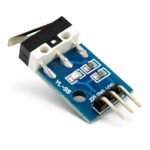
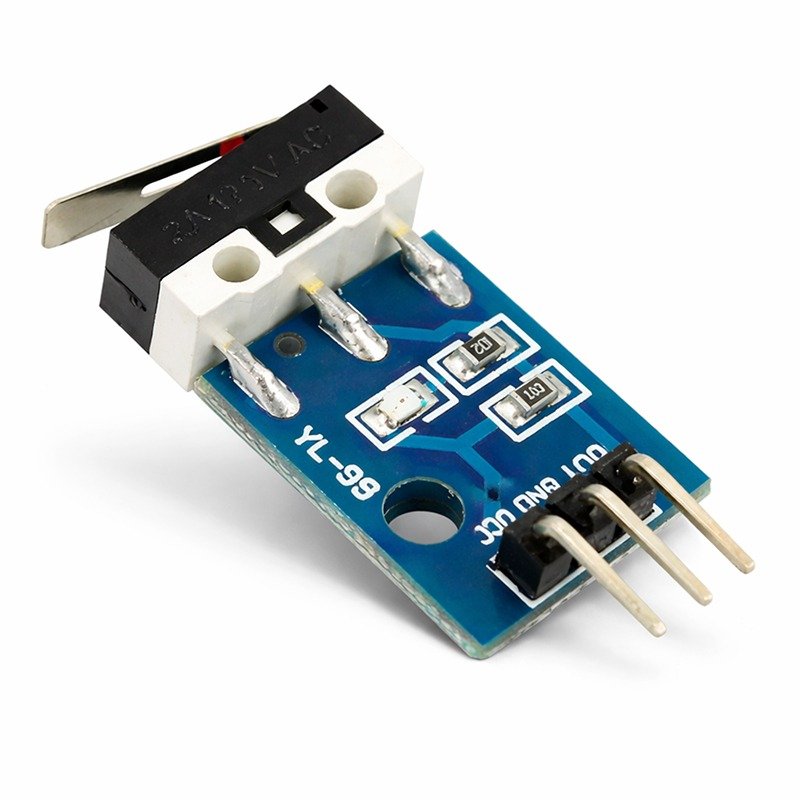
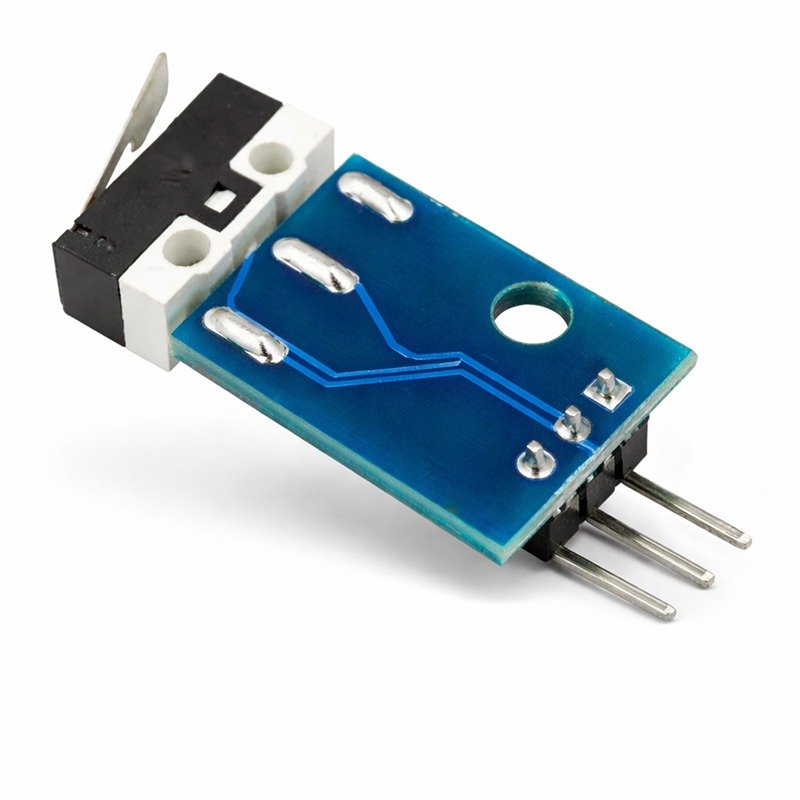
The Impact Collision Switch Sensor Module is a simple yet highly effective sensor used to detect physical impact, vibration, or collision in electronic and robotics systems. This module is widely used in robot obstacle detection, safety systems, alarm systems, and Arduino-based automation projects.
The module works using a mechanical switch mechanism that gets triggered when the sensor experiences physical impact or vibration. When a collision occurs, the switch closes and produces a digital signal that can be detected by a microcontroller.
Because of its simple working principle, the Impact Collision Switch Sensor Module is very reliable and easy to use in projects requiring contact-based detection.
This sensor is particularly popular in robotics bumper systems, where it detects when a robot hits an obstacle and sends a signal to the controller to change direction or stop movement.
🔧 Key Features
-
Reliable collision detection
-
Simple mechanical switch sensor
-
Digital output signal
-
Fast response to impact
-
Compact and lightweight design
-
Easy interface with microcontrollers
-
Durable PCB design
-
Low power consumption
-
Ideal for robotics and automation projects
-
Easy to mount in robotic systems
⚙️ How the Impact Collision Switch Sensor Works
The Impact Collision Switch Sensor Module operates using a mechanical contact switch. When the sensor experiences a physical impact or force:
-
The internal switch closes.
-
A digital signal is generated.
-
The signal is sent to the microcontroller input pin.
This allows the system to react immediately to collisions.
For example, in robotics applications:
-
Robot moves forward
-
Sensor detects collision with an object
-
Controller receives signal
-
Robot stops or changes direction
This simple mechanism makes it ideal for robot bumper sensors and safety detection systems.
📊 Technical Specifications
| Parameter | Specification |
|---|---|
| Product Name | Impact Collision Switch Sensor Module |
| Sensor Type | Mechanical Impact Switch |
| Operating Voltage | 3.3V – 5V |
| Output Type | Digital Output |
| Response Time | Instant |
| Interface Pins | VCC, GND, OUT |
| Mounting Type | PCB Module |
| Application | Collision Detection |
| Condition | Brand New |
| Quality | High Reliability |
🔌 Pin Configuration
The module usually has 3 pins:
-
VCC – Power supply (3.3V–5V)
-
GND – Ground
-
OUT – Digital output signal
The output pin connects directly to a microcontroller input pin to detect collision events.
🔍 Applications
The Impact Collision Switch Sensor Module is widely used in:
-
Robotics bumper sensors
-
Obstacle detection systems
-
Arduino robotics projects
-
Smart car robot kits
-
Automation safety systems
-
Vibration detection circuits
-
Alarm systems
-
DIY electronics projects
-
Industrial monitoring systems
-
Interactive electronic devices
This sensor is especially useful in robot navigation systems.
🧩 Compatibility
This sensor module works with most development platforms including:
-
Arduino UNO / Nano / Mega
-
ESP8266 / ESP32
-
Raspberry Pi
-
STM32 development boards
-
Microcontroller systems
-
Robotics control boards
It can be easily integrated with robot motor driver modules and control circuits.
🎓 Ideal for Learning Robotics
The Impact Collision Switch Sensor Module is commonly used in:
-
Engineering college robotics labs
-
STEM learning kits
-
Arduino beginner projects
-
Robotics competitions
-
DIY automation projects
Students use this sensor to learn concepts such as:
-
Robot obstacle detection
-
Digital sensor interfacing
-
Collision response systems
-
Automation control logic
⚠️ Usage Tips
-
Mount the sensor securely on the robot chassis
-
Ensure the bumper or switch arm can move freely
-
Use pull-up or pull-down resistors if required
-
Protect from excessive mechanical force
-
Avoid exposure to water or dust
These precautions help maintain sensor reliability.
Reviews
There are no reviews yet.